Welcome to I am the Gardener !

Logo
Logo

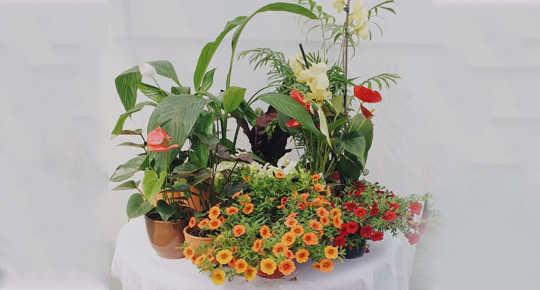
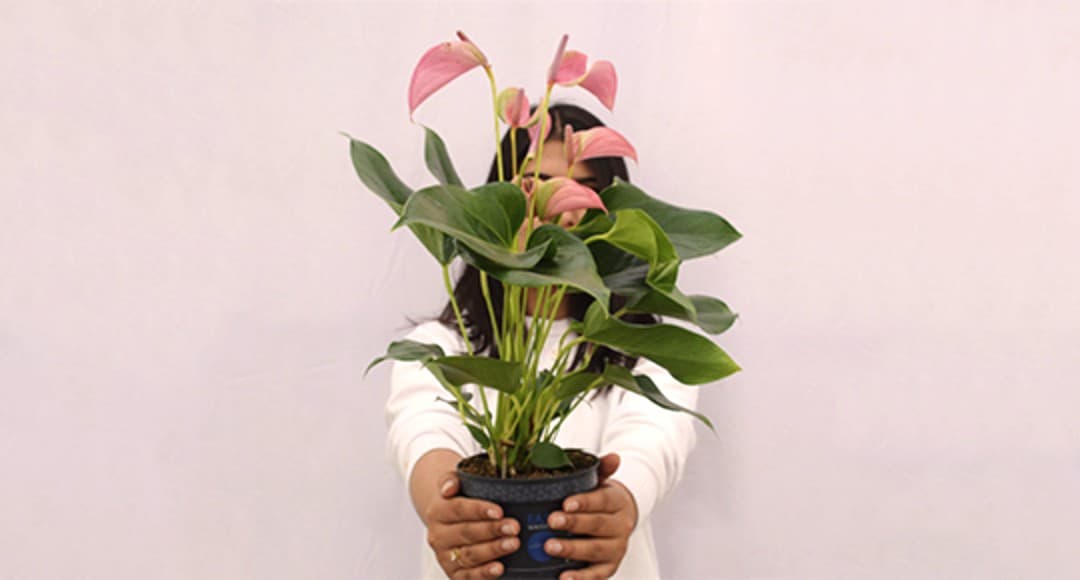
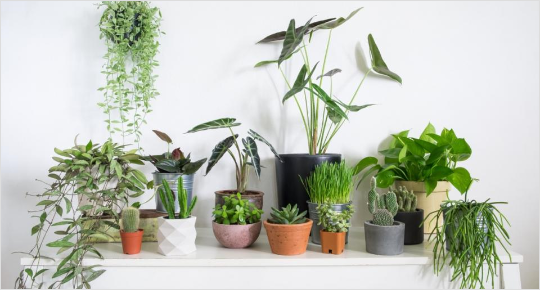
A contemporary garden center to meet all of your plant needs. Whether you’re looking to purchase indoor plants, outdoor plants, flowerpots, or any other nursery equipment, we have got you covered! Our mission is to lead the way to raise the horticulture standards in Nepal.

Free Delivery
Free Delivery

Get plants delivered to your doorstep without hassle!

Plant Care Support
Plant Care Support

Call ‎9802069969 if you need help in taking care of your plant!

Outlets
Outlets at Convenient Locations

Visit our outlets to get a feel of the wide variety of plants at our disposal!

Buy Now

Buy Now

Explore our finest indoor and outdoor plants including accessories. With our home delivery service, you can enjoy a hassle free buying experience.

Shop Now
Gift a plant

Gift a plant

Are you looking for something meaningful to gift your loved ones? With a selection of the finest plants for every possible occasion, we have got you covered!

View More
Plant Consultation

Plant Consultation

Explore the best ways to beautify your space with the best plants available! Our plant consultation service helps clients make the best use of available area and turn it into beautiful green spaces.

Read More

Latest Blogs

Get an inside look at our stories, inspirations, and ideas

blog-Summer Gardening Tips for a Happy Summer Garden

Have you ever noticed your plants pushing out new leaves as summer arrives?

Summer isn’t just another season—it’s the happiest time of the year for plants. With bright sunshine, gentle warmth, and longer days, it creates the perfect environment for plants to grow vigorously and stay resilient.

Why is summer the growing season for plants?

More Sunlight and Warm Temperature: Plants rely on sunlight to create their own food through photosynthesis. In summer, warm temperatures and long days stimulate their natural growth cycle, giving plants extra energy to produce fresh leaves, vibrant flowers, and fruits. The abundant light also helps flowers open fully, and leaves grow healthy and green.

Better Nutrient Absorption: Warmer soil temperatures boost microbial activity, releasing nutrients in an accessible form that plants can absorb. Additionally, higher temperatures encourage improved root growth and metabolism, which facilitates more effective soil exploration and nutrient absorption.

  • Flowering and Fruiting Time: Summer encourages flowering and fruiting in plants primarily through warmer temperatures by enhancing photosynthesis and reproductive development. Additionally, summer conditions often improve pollinator activity, increasing the chances of successful pollination and fruit set. Together, these factors create an environment that supports and accelerates the processes of flowering and fruiting, creating a lively and productive garden.
  •  
Summer Gardening Tips for Plant Parents

To help your plants thrive during this summer season, follow these essential summer plant care tips:


  • Water Regularly: Water your plants early in the morning or late in the evening to reduce evaporation. Ensure the soil remains moist but not soggy. Consistent watering helps plants cope with summer heat.

  •  
  • Protect from Intense Sunlight: Some plants are sensitive to the strong midday sun and may get scorched. Use shade cloth or relocate potted plants to cooler spots when necessary.

  •  
  • Maintain Healthy Soil: Add compost or mulch to retain moisture and keep soil temperature stable. Fertilize lightly to provide extra nutrients, helping plants stay strong and green.

  •  
  • Prune and Trim: Remove dead, yellowing, or damaged leaves to improve airflow and stimulate new growth. Prune dead flowers to encourage more buds and a longer flowering season.
  •  
  • Watch for Pests and Diseases: Warm weather can attract pests and disease risks caused by fungi, bacteria, or environmental stress. Use preventive measures like neem oil spray to control pest and disease attacks. Prune infected parts to prevent them from spreading to the entire plant. 
  •  
  • Support Growth: Use stakes, trellises, or supports for climbing plants to grow properly. Harvest fruits and vegetables on time to encourage further production and keep plants productive.


Thus, summer offers the ideal growing conditions, giving plants everything they need to thrive. With just a little extra care, you can help your garden grow stronger, bloom brighter, and stay healthy all season long. 

Take a moment to observe your plants, nurture them, and enjoy the beauty and joy they bring. Your garden will not only look spectacular but will also reflect the love and care you give to every leaf, flower, and fruit.

Read More
blog-Buddha Chitta: The Sacred Plant with Spiritual Significance in Nepal

Have you ever seen monks using a prayer-beaded mala for meditation and mantra recitation? Or, you must have read the news of the Buddha Chitta prayer bead robberies.  

So, why is Buddha Chitta suddenly gaining so much popularity? 

What is Buddha Chitta?

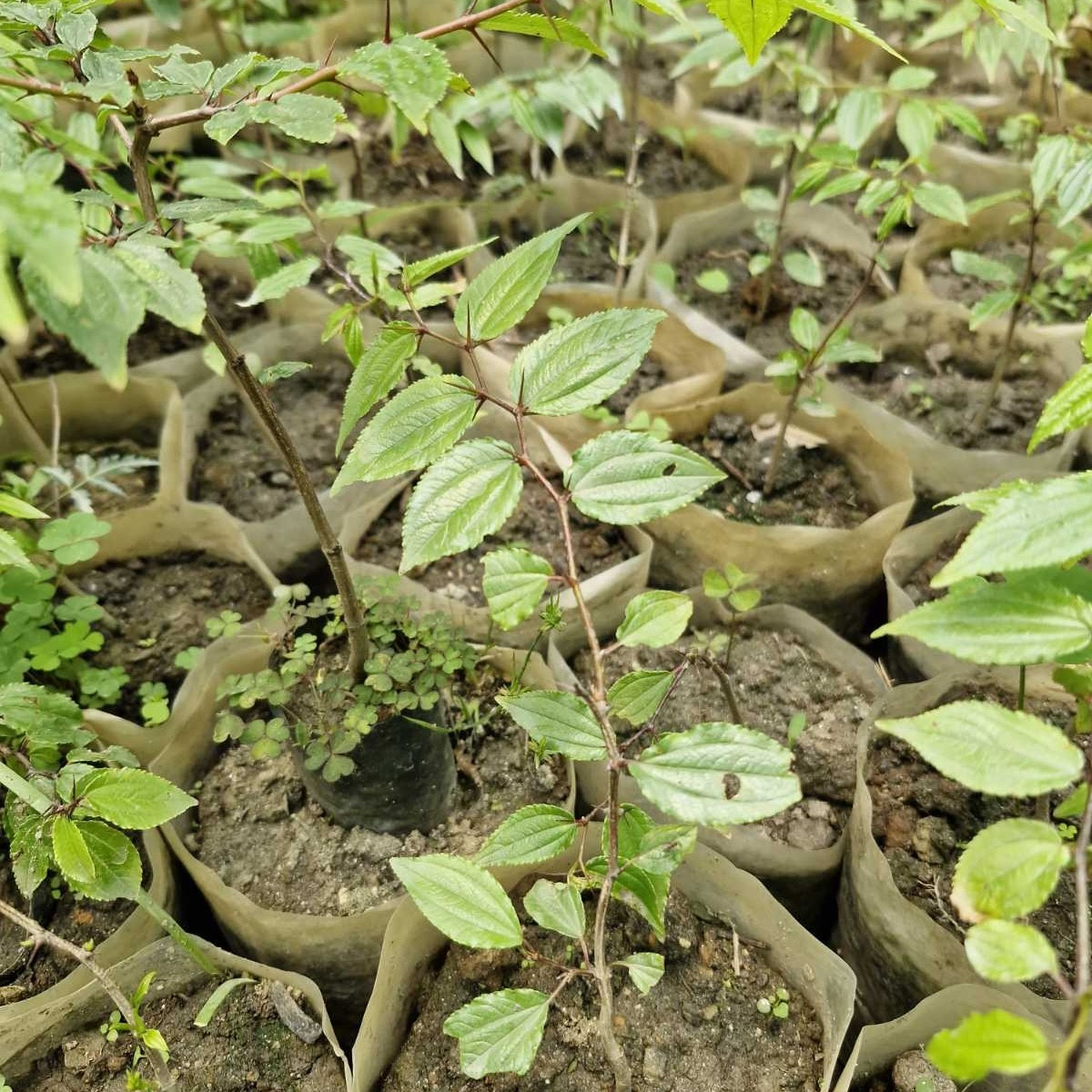
Buddha Chitta (Ziziphus budhensis) is a plant native to Nepal, traditionally known for its spiritual and cultural significance in Buddhism. The round seeds of the Buddha Chitta tree are used to make Buddha Chitta malas (prayer beads), commonly used by monks and spiritual seekers for meditation and spiritual growth. 

Origin of Buddha Chitta

Initially, its cultivation was started by the Tamang community of the Temal region, Kavre district. Prayer malas made from Buddha Chitta caught the interest of the neighbouring countries like India, China, Japan, and Singapore. As demand grew, the value of these sacred beads skyrocketed, bringing substantial income to local growers and uplifting their economic well-being.

Mythical Status

- Lord Buddha had dropped Buddha Chitta seeds in three regions of Nepal: Middle Lumbini, Namobuddha, and Temal. But the Buddha Chitta seed was germinated in the Temal region only. 

- Another tale, Guru Padma Sambhava had left behind Buddha Chitta seeds during meditation in Temal, Kavre district of Nepal. 

These mythical stories established the cultivation site as the epicenter of this sacred plant’s origin and deepened its spiritual significance among Buddhist practitioners.

Spiritual Significance of Buddha Chitta Faces (Mukhe)

In Buddha Chitta, naturally, lines appear on the bead’s surface known as Faces or Mukhe. The number of faces is believed to represent different spiritual energies and significances.  

  • 1 Mukhe: Highly spiritually potent, represents enlightenment, extremely rare, and most expensive; associated with Lord Buddha
  • 2-3 Mukhe: Represents balance and harmony. Commonly used for daily prayers. 
  • 4-5 Mukhe: Represents wisdom and protection. Commonly used in meditation.
  •  

Economical Value

The Buddha Chitta price is determined by the diameter and the number of faces (Mukhe) of the bead. Bead with 1 face is determined as high-quality and the most expensive, followed by 5 face, 4 face, 3 face, and 2 face. The smaller the diameter, the more spiritually and economically valuable the bead becomes.

The growing demand in the past years has also led to cases of theft and illegal trade- including the arrest of two individuals in 2015 for stealing Buddha Chitta prayer beads worth NPR 5 lakh. More recently, 3 individuals were arrested for stealing NPR 8 lakh worth of Buddha chitta malas.

Planting and Caring for Buddha Chitta

Early monsoon is the right time to plant Buddha chitta, as the moist and humid conditions support the healthy root establishment. This sacred plant prefers subtropical to temperate climates, with an altitude of 1,500-2,800 meters. 

Select a bright outdoor spot with partial shade to avoid direct sunlight, as it can cause leaf burn. Plant at a distance of 6-7 meters. 

Water the plant moderately, allowing the soil to dry. Waterlogging can cause root rot. Fertilize with organic fertilizer to promote healthy growth during the growing season, but note that smaller beads are considered more valuable, so avoid overfeeding as it may cause bigger beads. 

Keep the spot clean and weed-free, and use organic mulch to retain soil moisture and improve soil health, and prevent waterlogging.

To encourage pollination, plant marigolds or mustard plants nearby- these attract natural pollinators that can benefit Buddha Chitta as well

More Than Just a Plant

Budhha Chitta is not just a plant- it’s a spiritual treasure of Nepal symbolizing enlightenment, cultural identity, and a source of livelihood for local communities. By understanding its cultural roots and spiritual significance, we connect more deeply to Nepal’s spiritual heritage and Buddhist traditions.

Watch the video here: https://www.instagram.com/p/C8UQw9BycJb/

Read More
blog-Rainwater & Your Plants: Nature’s Perfect Pour

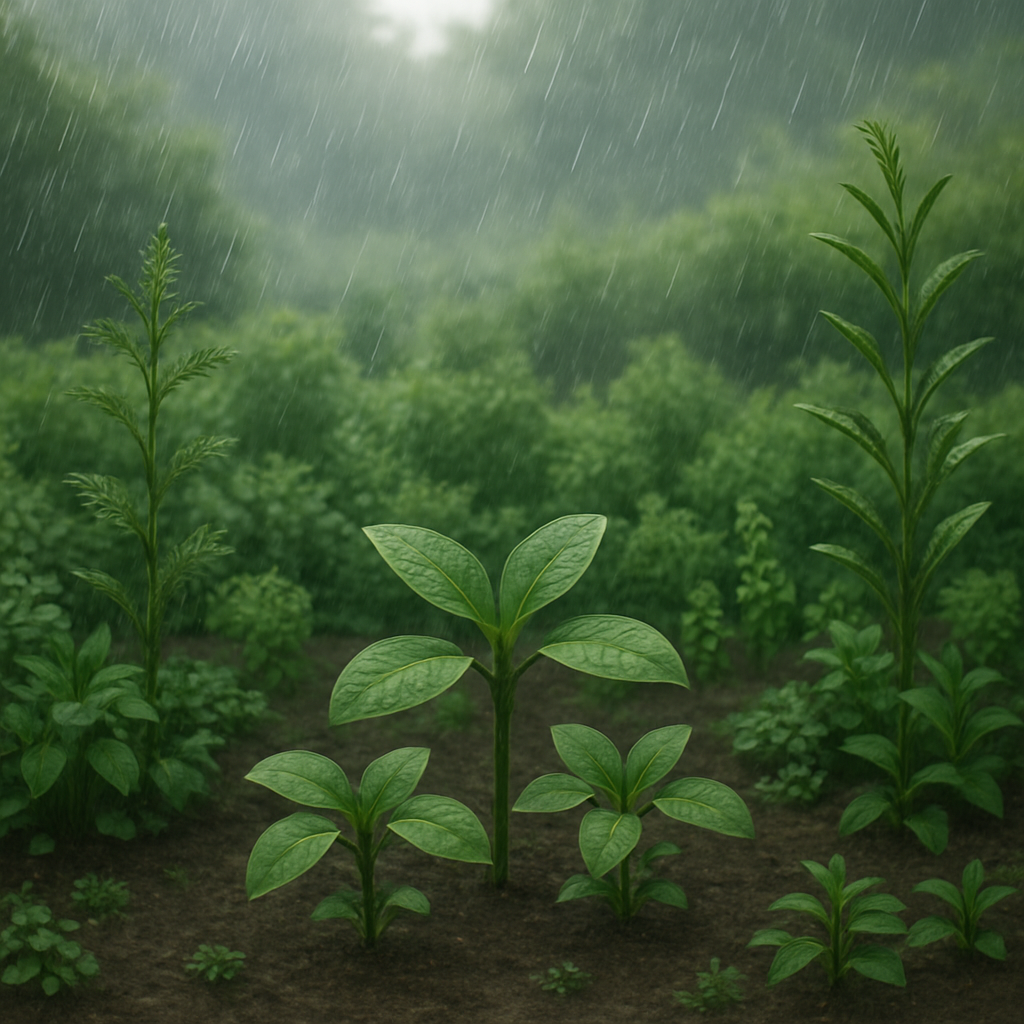
There’s nothing quite like the smell of fresh rain and your plants agree! Rainwater is more than just a free hydration, it’s one of nature's best gifts for your garden. But like all good things, too much can become a problem. In this blog, we’ll discuss how rainwater affects your plant, how to use it wisely and when to step in with a little plant-parent intervention. 

💧Why is rainwater great for plants?

Rainwater isn’t just tap water falling from the sky. It is naturally soft and free from salts and chemicals like chlorine, that can build up in soil over time. Even better, it contains traces of nitrogen- a nutrient that your leafy friends absolutely love! If plants could talk, they’d ask for a rainwater top up every week!

When does rain become a problem? 

While a good soak can perk up wilting leaves, too much rain can bring trouble:

Waterlogging: It happens when rainwater fills the soil and there's nowhere for it to drain, leaving roots sitting in soggy conditions.

Root Rot: It starts when those waterlogged roots can’t breathe, begin to decay, and invite harmful fungi to attack.

  • Fungal Frenzy: It kicks in when constant moisture on leaves and soil creates the perfect environment for mold and mildew to grow.
  •  
  • Tip: If your plants look droopy after a rain, it might not be from thirst, it could be soggy stress.


How to use rainwater wisely?

If you have no idea on how to use rainwater, you can follow the following steps: 

  • Collect and store rainwater in a clean, covered container placed in a cool, shaded spot to keep it fresh.
  • Use it within 7–10 days to avoid stagnation and maintain water quality.
  • for better absorption and reduced evaporation.

Tip: Collected rainwater is perfect for your more sensitive houseplants that don’t respond well to tap water.

🌱 How to Rain-Proof Your Plant Care

Whether it’s a drizzle or a downpour, keeping your garden happy is all about smart care. 

  • Make sure pots have good drainage by elevating them or adding pebbles.
  • Cover delicate plants during heavy rain to protect foliage. 
  • Prune off wet or damaged leaves afterward to prevent fungal problems from spreading.

 Tip: Add a few drops of neem oil to stored rainwater before watering—this can help deter pests naturally while still being gentle on your plants.

🌨️Plants that love a rainy day

Some plants that thrive in wet weather:

  • Peace Lilies & Spider Plants: Great indoor picks that appreciate a gentle outdoor rain rinse. 
  • Areca Palm: A tropical beauty that enjoys humidity and soft water, rainwater is perfect!
  • Aloe Vera: Grows best with occasional, natural watering, just make sure the pot drains well.
  • Ferns: Absolutely love moisture and humidity, making rainy days their favorite.

A little rain can go a long way if you know how to use it right. From collecting clean, chemical-free water to keeping your roots safe from soggy disasters, rainwater can be your secret gardening superpower. So the next time the skies open up, smile with your plants… just be ready with a drainage plan!

Read More
blog-5 Insect-Repellent Plants to Protect Your Garden from Summer Insects

Summer is a beautiful season for plants to thrive happily but at the same time, it’s also a favorable time for pesky insects and mosquitoes to spread. These unwelcome guests not only cause stress but can also spread disease to your plants and crops. So, maintaining your garden can feel like a constant battle.

Chemical sprays and repellents may offer quick solutions, but long-term use can harm plants, soil, and the well-being of humans. Thankfully, some plants have the qualities of insect repellent which not only offers a sustainable solution but also adds beauty to your garden all summer long. 

Here are the top 5 insect-repellent plants to protect your garden from summer insects:

Mint: 

Mint is one of the must-have garden herbs as it offers numerous health benefits. Apart from that, its refreshing strong scent also acts as an air freshener, attracting bees and butterflies and repelling ants, flies, and mosquitoes. 

Mint is a perennial and easy-to-grow plant. It spreads vigorously so it's best to plant it in a pot and trim frequently. 

Rosemary: 

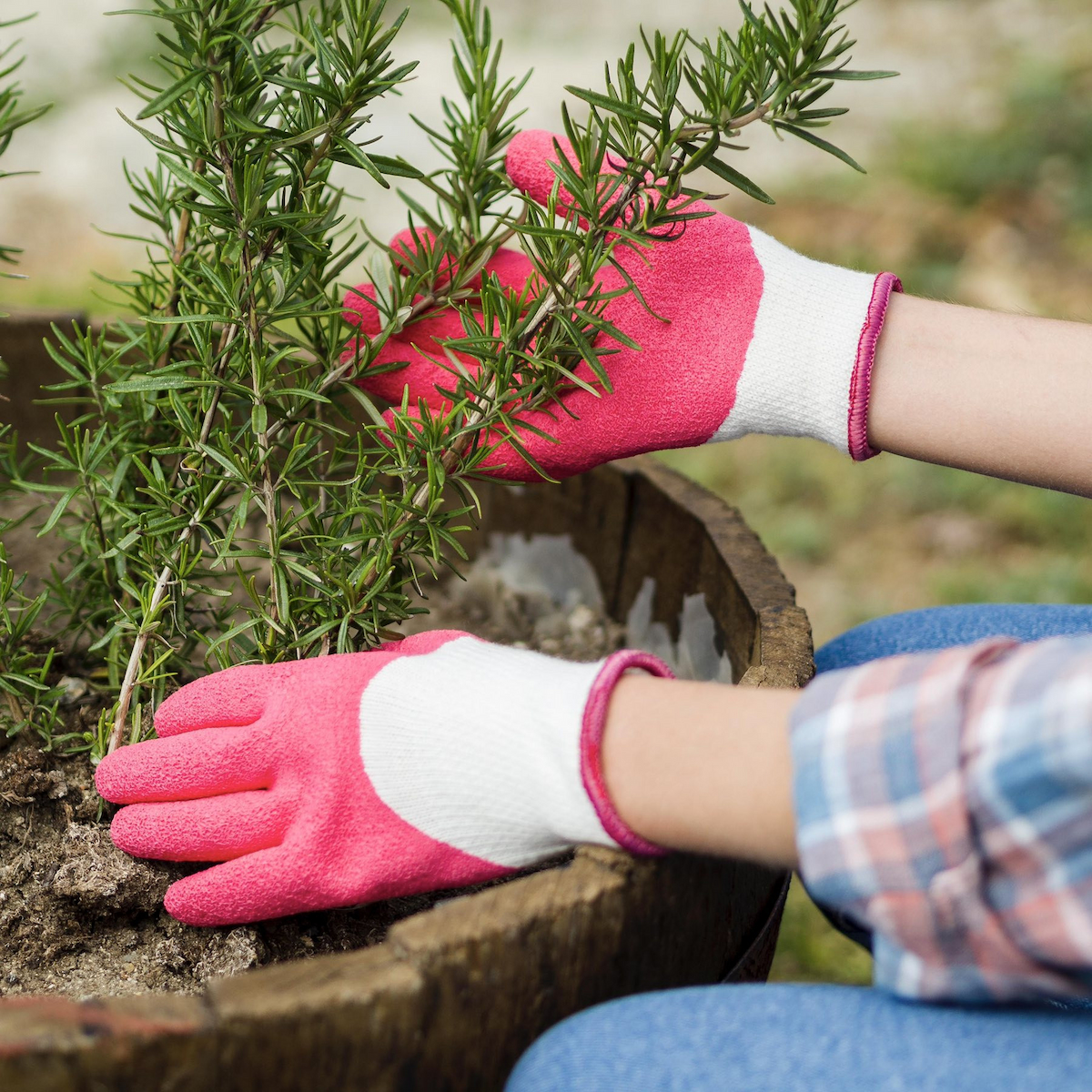
Rosemary is a woody fragrant evergreen plant that keeps pesky insects away and attracts beneficial insects. 

Because of its insect-repellent properties rosemaries are also usually planted near vulnerable crops like cabbage, broccoli, beans, carrots, etc to protect them from mosquitoes, moths, and carrot flies. Also, they encourage faster growth and better taste of crops around them.

Lemongrass:

Lemongrass is a natural mosquito-repellent plant and is often the main ingredient in natural mosquito coils and sprays. However, mosquitoes don’t harm your plants but can create an unpleasant experience for gardeners and visitors. 

Plant lemongrass near balconies or seating areas, and place them near damp soil beds, water trays, or ponds to discourage mosquito breeding. Crush a few leaves to release its citronella oil which will mask the scents that attract mosquitoes such as carbon dioxide and sweat. 

Marigold:

Marigolds aren't just bright ornamental plants but also a powerful bug-repellent. These vibrant blooms contain pyrethrum, a natural ingredient that keeps whiteflies, squash bugs, and aphids away.

Marigolds can be a perfect companion plant for squash, beans, cucumbers, or tomatoes. Plant them around the edges of vegetable and fruit beds to create a natural colorful insect repelling fence. 

Petunia: 

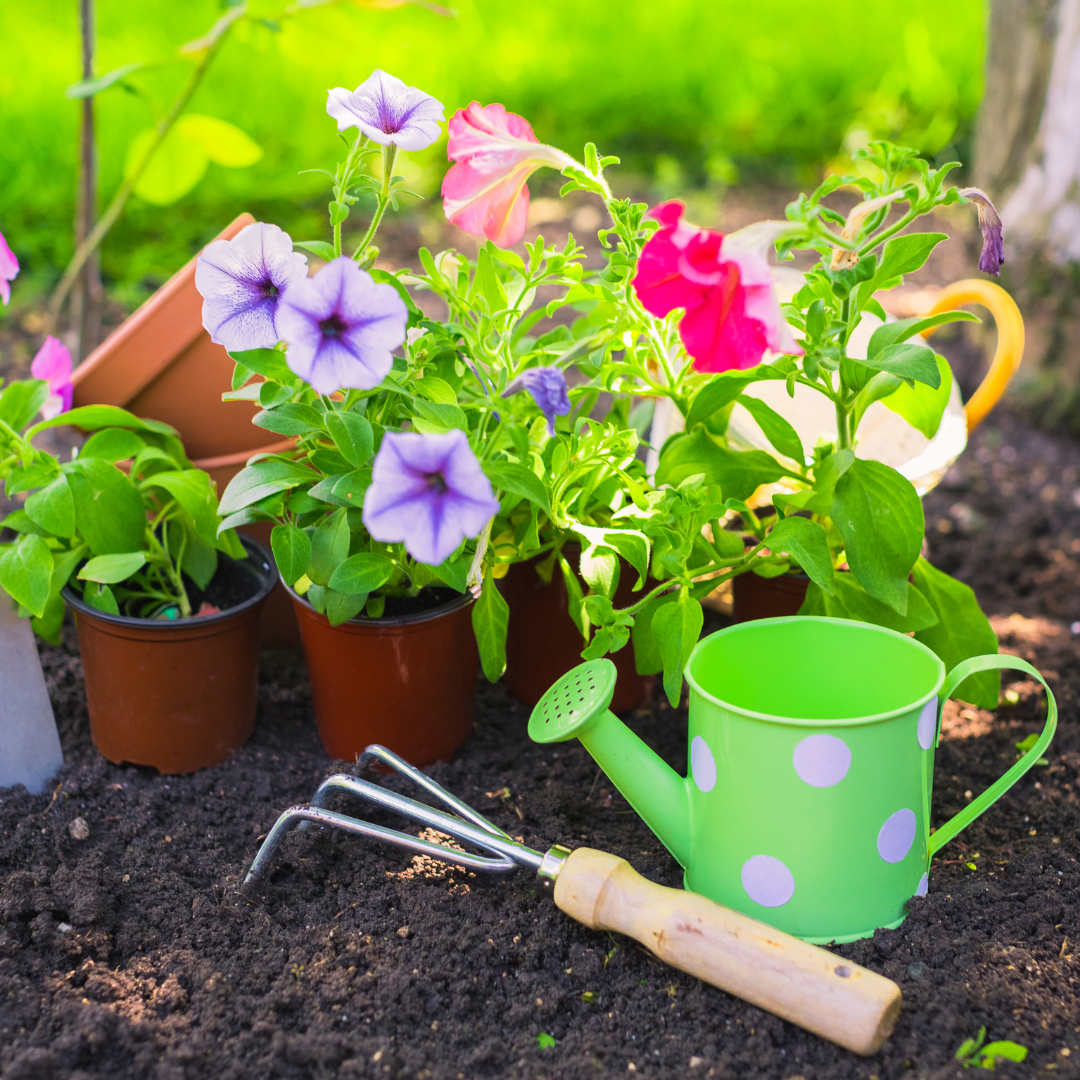
Petunias with lovely purple and pink hues can be another beautiful addition to your insect-free summer garden. They secrete a sticky substance that traps and repels small insects like mosquitoes, aphids, bugs, and leafhoppers from getting near plants and damaging them. 

Keep petunias along the edges or in hanging baskets around your garden. They’ll not only protect your garden but also attract beneficial insects like hoverflies, bees, butterflies, and hummingbirds that help in pollination. 


Final Thought

A garden can be both beautiful and functional. By planting these top 5 natural insect-repellent plants, you're not just protecting your space from summer insects-  you’re also supporting pollinators, reducing chemical usage, and creating a more pleasant environment for yourself and your visitors.

Read More
blog-Strategies to Prevent Root Rot in the Winter

Winter is a crucial time when it comes to your indoor plants. Plant parents need to stay alert as winter and water can sometimes be enemies. 

And while you are all comfy in your blanket and socks, your plant might be suffering from the cold and moist conditions causing different problems, of which root rot is a common one. 

What is root rot?    

Root rot is a serious disease caused by fungal or fungus-like pathogens that grow well in moist soil and potting mixes, such as Fusarium, Phytophthora, Pythium, and Rhizoctonia.  

During the winter season, soil remains wet for a long time means plants need less water but if we keep watering them like it's summer, your plants may end up sitting in damp soil which suffocates roots and causes them to rot. 

If not treated in time, the rotten or decayed roots can spread to healthier roots and kill them even when the soil conditions are right.

Common signs of root rot 

Some common signs of root rot to watch for are:

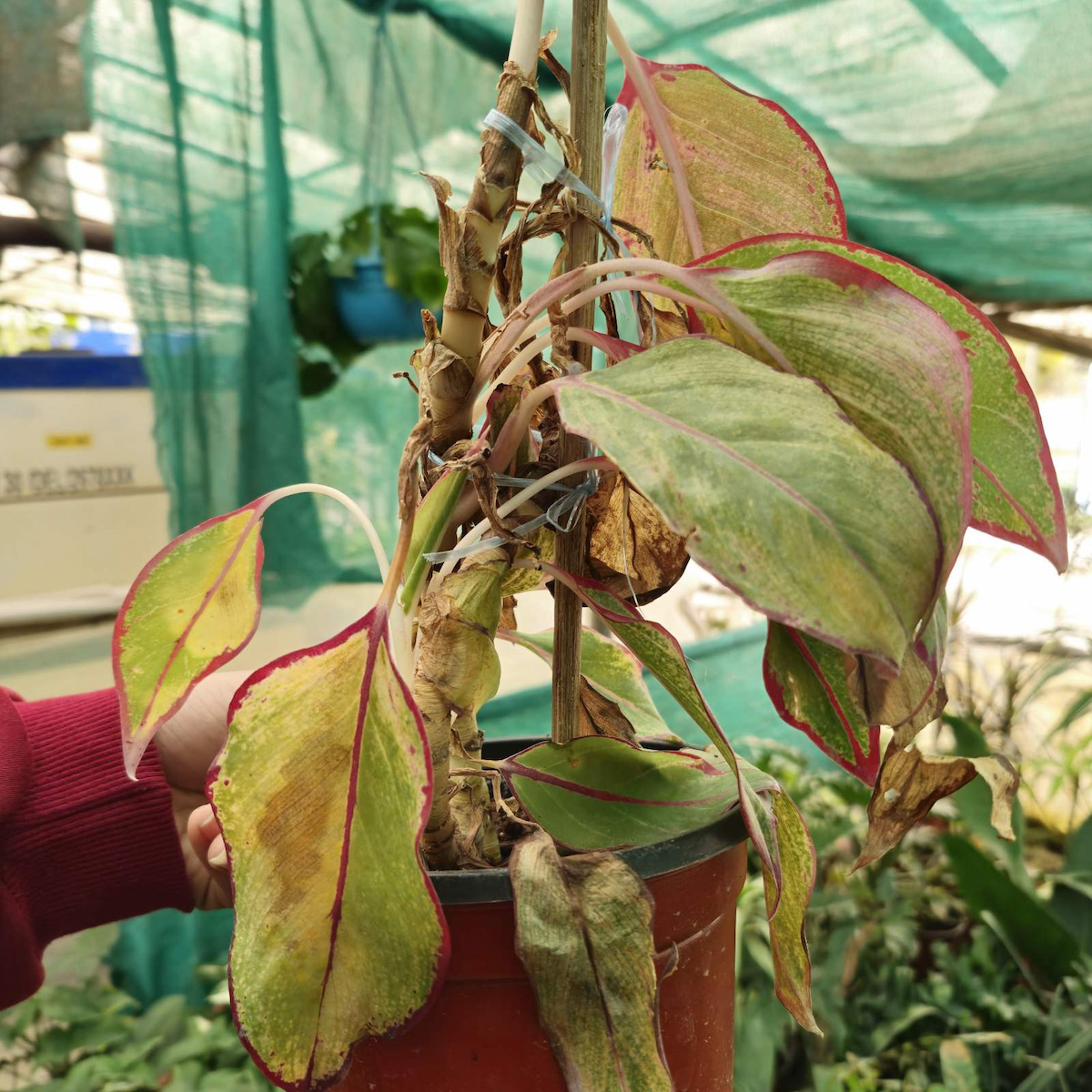
Yellowing leaves: Dead or decaying roots prevent sufficient nutrients from reaching the leaves causing them to lose their green color and turn yellow. 

Wilting: The damaged leaves can’t absorb the water effectively, leading to droopy leaves, even when the soil is wet. 

Brown or Black, Mushy roots: White and firm roots are healthy ones. But if you notice soft, dark, and mushy roots, it might be an indication of root rot due to the breakdown of root tissues. 

Foul order:  As the decaying roots break down, they produce a bad smell like rotten eggs, indicating the presence of rot and decay in the soil.

Stunted growth: Roots are the main source to absorb water and nutrients in plants. Damaged roots can't do so, which halts or slows the plant's growth. 

Leaf drop: The plant sheds leaves, especially the older ones to conserve energy and resources as it struggles to survive.  

Tips to prevent root rot

While there are many different ways to prevent root rot, the number one thing to remember is not to overwater your plants. But if there were fungal spores unknowingly in the soil, then my friend's root rot would be unavoidable. Luckily, there are many ways by which rots are easily prevented. 

#1 Choose the right potting mix

Make sure the soil is very well draining and chunky that way when you water the plants, the water flows thoroughly and there is still room for the oxygen to flow through. Change the potting mix regularly and avoid heavy soils that hold too much water.

Use a well-draining potting mix, a mix that contains cocopeat, perlite, cocochips, bark or sand. 

#2 Use proper pots

Always choose a planter containing sufficient drainage holes. Clay pots are better as they allow air and moisture to escape, helping to keep roots dry. Never let your plants sit in drainage water. 

#3 Know your plant's need

Different houseplants have different requirements. Do some research on your plants and know about their specific requirements. Some plants need more water while some thrive on less.

 In the winter, when there is less light and sun, many plants go dormant meaning less watering.

#4 Adjust watering

As already mentioned, plants need less water in winter in comparison to summertime. So water only when the top inch of soil feels dry to touch. Until the top 2 inches (5 cm) of soil is dry, most plants won't require water. Always remember, it's better to be underwater than to be overwater. 

#5 Promote good airflow

One element that helps stop the majority of harmful fungal species is good airflow. It also dries out soil more quickly and helps prevent mold and rot. Enough airflow also promotes transpiration in plants. Thus, plants use more water from the soil which helps to dry out soil faster.

#6 Check your plants regularly

Keep an eye out for wilting or yellowing leaves, as these could indicate problems. Carefully remove the plant from its pot to examine the roots if you suspect root rot. Any mushy or black roots should be trimmed away; only healthy roots should be strong and white.

 #7 Use fungicide if needed

If root rot shows up, don't panic, instead consider using a fungicide like Saaf or Herbal Protection Spray to combat the problem. Look for organic solutions suitable for indoor plants and pay close attention to the directions. 

Final thoughts on root rot

It's important to pay extra attention to your indoor plants over the winter, especially to avoid root rot. By understanding the signs and symptoms of this disease and implementing the strategies mentioned above, you can keep your plant healthy and vibrant. 

And adore the beauty of your plants and the comfort they bring to your home even in cold months. 

Happy Gardening! 

Read More
blog-Living, Learning, and Growing with My Plants
लेख्नमा त्यति धेरै पोख्त त छुइन तर पनि कता कता आफ्ना अनुभवहरु बाड्न मन लाग्यो त्यसैले सानो प्रयास गरे।
 
         म सानो भाडाको कोठामा बस्छु, जहाँ मेरा भौतिक सामाग्री, मेरा काल्पनिक सपना हरु पाल्छु अनि केही बोट बिरुवा हरु पनि। मेरो कोठाको बिरुवा हरु पनि आफ्नै आफ्नै तरिकाको छन् मेरो मूड जस्तै कोही हाँसिरहेको, बिहान उठ्ने बितिकै हेरियो भने 'गुड मर्निङ' भनिरहे जस्तै, कोही साझमा कोठा पुग्दा 'आई पुग्यौ' भनेर सोधिरहे जस्तै, कोही जिन्दगी देखि हारेर रोईरहे जस्तै मानौं ती मेरै प्रतिबिम्ब हुन्, कोही सासै फेर्न मन नगरे जस्तो जो बाध्यता मा बाचिरहेछन् , कोही कसैलाई मन नपराए जस्तो, कोही चै मलाई हेरेर 'मेरो हेरचाह गर मेरो भोक तिर्खा सोध न' भन्दै आश लाग्दो आँखाले हेरिरहे जस्तो। म कति चोटि त बिर्सिन्छु तिनी हरुलाई मैले कहाँ कहाँ बाट उठाएकी थिए भन्ने, फुर्सदमा पानी हाल्दै गर्दा सम्झिन पुग्छु र यसलाई त मैले त्यहाँ बाट पो ल्याएको थिए है भन्दै मनोवाद सुरु गर्छु यस्तै यस्तै सबैको आफ्नै आफ्नै कहानी छन् कुन बिरुवा लाई कहाँ बाट ल्याए कसरी बचाए भन्ने। बचाए भन्दै गर्दा सबैलाई बचाएको चाहिँ छैन है, कतिलाई धेरै पानी भएर, कतिलाई घामको किरण नभएर, कतिलाई स्याहार्न नजानेर यस्तै यस्तै कति कारणले मैले धेरै बिरुवा मारेकी पनि छु। मारेको छु भन्दा झट्टै याद आयो अस्ति भर्खरै मैले मुटु नै मिचेर विदाई गरेको मेरो 'peacelily'। जुन मलाई मन पर्ने plant मध्ये एक हो, त्यहाँ भएका हरु मध्ये बाट सबै भन्दा सुन्दर र स्वस्थ्य मैले नि किनेर ल्याए झै लाग्थ्यो तर केही दिन मै ओइलाउन सुरु भयो त्यसलाई बचाउने असफल केही प्रयास भने गरिनै रहे। धेरै थोरै सम्म त बचाउने उपाय खोजी गरियो अन्त्यत मन मार्नै पर्यो । यस्ता केही सम्झना हरु छन् अझै सम्झनाकै तख्तामा सुरक्षित भएर बसेकाछन्।

        मलाई प्रष्ट सित थाहा कि म एक बेजतनी मान्छे हुँ जसलाई विरुवाको खुब सौख छ, मलाई नै गुनासाे छ मेरो बेजनत गर्ने बानी सङ्ग र पनि अझै थुप्रै प्रकारका बिरुवा जम्मा गर्छु भन्ने संकल्प भने तोडेको छुइन। मैं सङ्ग बाँचिरहेका ती कति बिरुवाले मलाई खुसी दिएको छ भन्ने अनुभूति म सधैं नै गर्छु तर ती मरेर गएकाले पनि केही नदिएका भने छैनन् तिनीहरू बाट मैले केही न केही पाठ पनि सिकेकोछु जस्तो लाग्छ जुन मेरो लागि ज्ञानवर्धक छन् र रहिरहने छन्।

English Translation:

I'm not particularly skilled at writing, but I still feel like sharing my experiences, so I decided to give it a small try.

I live in a small rented room, where I nurture my physical belongings, my imaginary dreams, and some plants too. The plants in my room are unique in their own ways, just like my moods. Some seem cheerful, as if they're saying "Good morning" the moment I look at them after waking up. Others feel like they're asking, "Oh, you're back?" when I arrive in the evening. Some appear defeated by life, as if they’re weeping reflections of my struggles. There are those that seem unwilling to breathe, surviving only out of necessity, while others appear indifferent or even hostile. And then there are a few that gaze at me with hopeful eyes, silently pleading, "Take care of me, quench my thirst, don't forget me."

Often, I lose track of where I got them from, but as I water them during moments of leisure, I find myself reminiscing, "Oh, I brought this one from there," engaging in little monologues. Every plant has its own story — where it came from, how I rescued it, and its journey since then. Speaking of rescue, I haven’t been able to save them all. Some perished because I overwatered them, others withered due to lack of sunlight, and some simply because I didn’t know how to care for them. For various reasons, I've ended up killing quite a few plants.

That reminds me of the heart-wrenching farewell I recently had to bid to my "peace lily." It was one of my favorite plants — the most beautiful and healthy among the ones I had, almost as if it was a plant I had bought straight from perfection. But within days, it started wilting. I made several unsuccessful attempts to save it, searching for solutions, but ultimately, I had to let go. Memories like these remain tucked away safely in the vault of my mind.

I am fully aware that I am a flawed person with an undeniable passion for plants. I even resent my careless habits at times, yet I haven’t broken my resolution to collect more plants. I deeply cherish the happiness that these living companions bring into my life, but I also value the lessons learned from the ones that didn’t survive. They’ve taught me many things — lessons that are insightful and will stay with me forever.

Read More
blog-5 Signs You’re Becoming a CRAZY Plant Parent

For me, It all started with a Jade plant cutting on the windowsill which turned into a lush green plant, and continues to more propagation and collection of over 100 plants in a year.

If this sounds familiar, congratulations! You’ve officially become a CRAZY plant parent. Welcome to the club! Here are 5 significant signs:

Plant shopping is your new hobby

You enjoy strolling around the plant nursery and get amazed by each plant's beauty and personality, just like a kid in a toy store. And returns home with another plant- a snake plant, a bougainvillea, or a pothos, even if you don’t need them. But your plants do need a new friend, right?

Your camera roll is full of plants

Now your camera roll is completely taken over by endless photos and videos of your plant babies which were once filled with cute selfies and food shots. You document the growth of your favorite plant- a new leaf, a new flower, or an aesthetic picture. 

So that, you can later scroll and proudly say, “ Look how much she’s grown!” Just like every proud plant mom and dad do.    

Checking on your plants has become a Morning Ritual 

Let’s be honest, your day starts with checking on and talking with your plants - asking if they are thirsty or need more sunlight. You’ve probably even named them like “Mona the Monstera” and “Franky the Ficus”. And if they show positive growth, that’s all the validation you need to know they’re listening and enjoying chit-chat.  

As Research shows talking nicely to plants helps boost their growth and improves photosynthesis. Whereas, talking harshly has a negative effect. 

You’ve run out of the space

At this point, you’ve become a DIY wizard, trying new creative ways to make space for new plant additions. You’ve got hanging plants from the ceiling, pothos vines crawling around your window frames, and pots squeezed into every corner of the bathroom, bedroom, and balcony. 

No space? No problem! There’s always room for one more.

You’re a plant mischief 

You can't help it—you love the thrill of sneaking in another plant when no one’s watching, convincing yourself it was "just a small one!" Whether it’s hiding a new plant from your partner or propagating and jokingly blaming your plants for multiplying on their own, you've fully embraced the madness.

So, how many of these signs have you ticked off? Don’t worry, being a crazy plant parent is normal. And while others may not understand your obsession, your thriving plants certainly do!

Read More
blog-Story of random finds

It was a regular day, just like any other. We were enjoying our meal, sharing our usual stories and laughs. At the time, one of my colleagues, Yesoda, suddenly perked up, with excitement bubbling in her voice. 

"Hey, you guys! I just saw this really cool-looking plant by the side of the road.”

As soon as I heard the word “plant,” I didn't hesitate for a second- I was up and running to join her. 

The Discovery

When we arrived at the spot Yesoda mentioned, there it was - a lush, vibrant plant that was screaming at us to take home. It looked like it had been abandoned, but it still had plenty of life in it. Without hesitation, we carefully uprooted it, ensuring we didn’t damage its roots. 

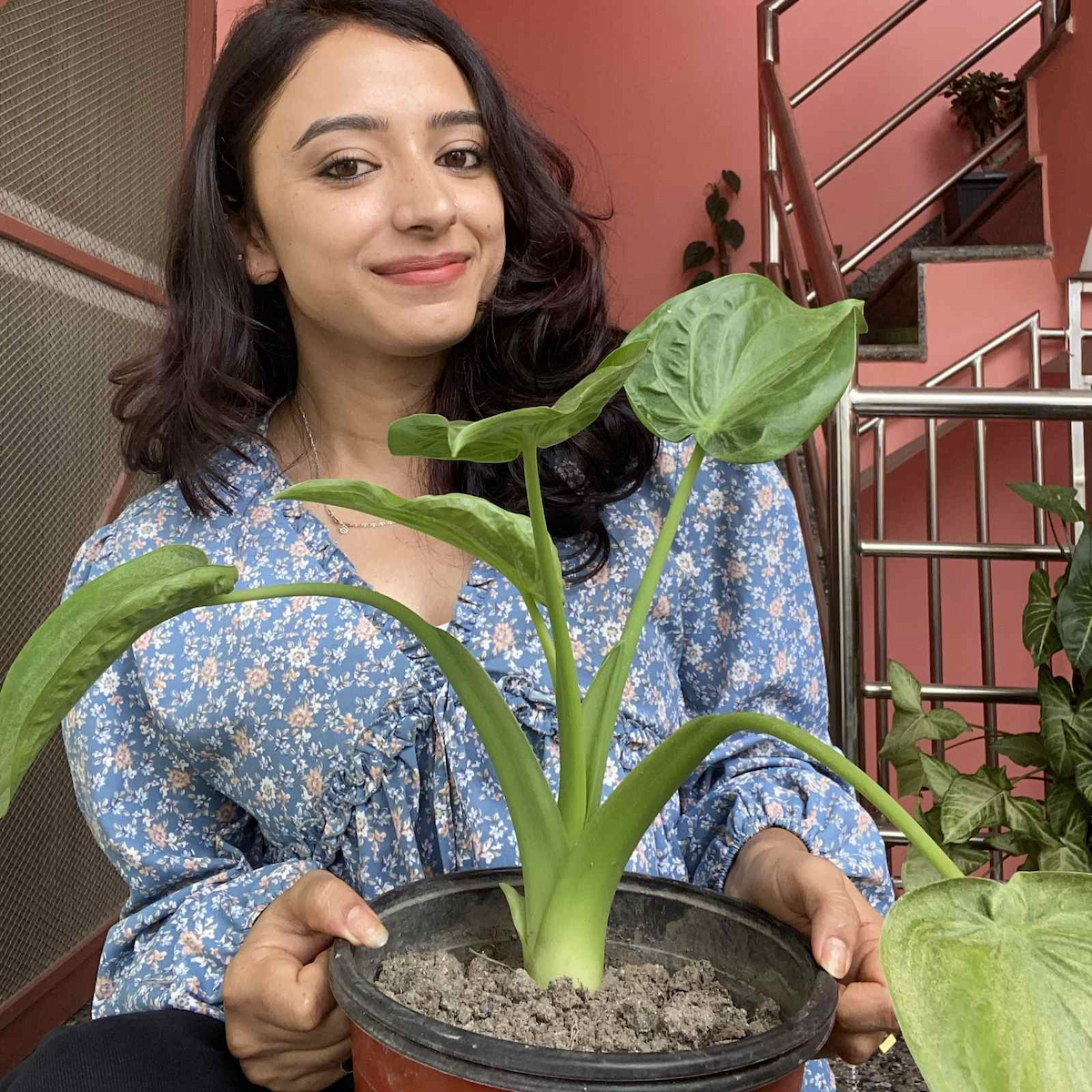
Back at the office, we dove in to research our mysterious find. After some digging, we discovered that it was an Alocasia, also known as an Elephant Ear plant. I was amazed that such a beautiful and unique specimen had been growing right under our noses, unnoticed.

Excited by our newfound discovery, we decided to repot the plant, separating its three distinct branches into separate pots carefully. One of the pots went home with Yesoda, while I decided to keep the other two for myself.

Transporting the plant home was no easy feat—it was quite heavy and bulky. So, I decided to leave one of the pots in the office greenhouse, planning to bring it home some other day. Also, I wanted to give it some time to adjust to its new environment. Over the next few days, I kept an eye on it, ensuring it got the care it needed. 

Back at home, As I carefully placed the Alocasia at my home, I couldn't help but feel a sense of pride and satisfaction. This random find had not only brightened up my day but had also found a permanent home in my own space. 

From Overlooked to Most Wanted

Then came the day of our moving sale. I had left the Alocasia in the same spot in the greenhouse, and as the sale began, I noticed that many customers were drawn to the plant. The sales team informed me that people were curious and willing to pay a really nice price for it. 

However, they hesitated to sell it without my permission. This made me smile. It was amazing to see how a random find could turn into something so valuable in the eyes of everyone. Also, isn’t it amazing how the most unassuming things can sometimes turn out to be the most remarkable?

 A New Perspective 

That experience showed me how unexpected finds can turn into great opportunities. Not only did I rescue a beautiful Alocasia, but it also stirred up some excitement at the office. 

Since then, I've kept a watchful eye out for any other hidden gems that might be lurking along the roadside or in unexpected places. You never know what kind of treasure you might stumble upon when you're least expecting it!

Read More
footer-bg

© 2026 I Am The Gardener. All Rights Reserved

Powered By Koklass from EKbana